
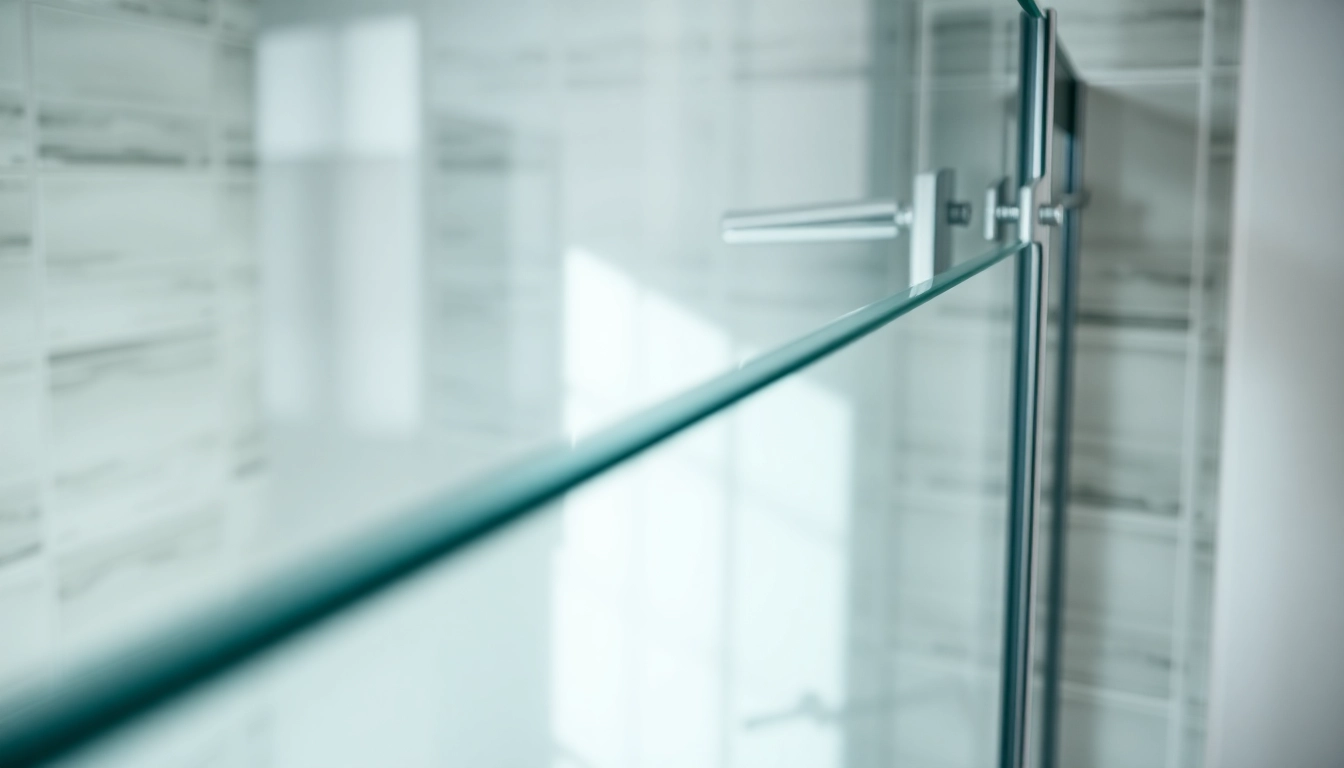
Understanding Shower Screen Sliding Door Types
When it comes to choosing the right entrance for your shower space, a shower screen sliding door is a popular option that combines functionality with style. These doors allow easy access while not consuming much space compared to traditional hinged doors. In this section, we’ll dive deeper into the different types of shower screen sliding doors available to help you make an informed choice.
Framed vs. Frameless Designs
The primary distinction between shower screen sliding door designs is whether they are framed or frameless. Framed shower doors come with supportive metal frames that add durability and are often easier to install. However, they may take up extra visual space in the bathroom. On the other hand, frameless sliding doors offer a more modern and minimalist aesthetic as they rely on thicker glass panels that provide structural integrity without the need for metal framing. This design advantage allows frameless doors to maximize natural light and creates an illusion of a larger space.
Material Options and Their Benefits
Another vital consideration when selecting a shower screen sliding door is the material used in its construction. Here are the most common materials:
- Tempered Glass: This is the most popular choice for shower doors due to its robust nature and resistance to thermal stress.
- Acrylic: Lightweight and shatter-resistant, acrylic doors are also easier to install but may scratch more easily than glass.
- Polycarbonate: This is an excellent high-impact alternative to glass, providing the clarity of glass but with added durability.
Choosing the right material influences not only the door’s durability but also its maintenance and overall appearance.
Choosing the Right Size and Configuration
Shower screen sliding doors come in various sizes and configurations ranging from single to multi-panel designs. When determining the right size, consider the dimensions of your shower area along with accessibility needs. Standard width options typically range from 48 to 60 inches, but specialized sizes can often be custom-ordered. Configuration plays a crucial role as well; a bi-fold design may save space in a smaller shower, while a double door offers a wide opening for larger areas. Always measure twice to ensure compatibility with your bathroom.
Installation Guide for Shower Screen Sliding Doors
After selecting your perfect shower screen sliding door, the next step involves installation. Proper installation maximizes the functionality and longevity of your door while ensuring safety. Below is a straightforward guide to help you through the process.
Preparing Your Bathroom Space
Before you begin the installation, clear the shower area of any materials or obstructions. Ensure that the walls are clean, stable, and dry, as these factors contribute to the door’s secure and lasting fit. Additionally, assess the existing plumbing and features in your bathroom to avoid complications during the installation process. Remove any old door components and repair or replace any damaged tiles or surfaces.
Tools and Materials Needed for Installation
To install a shower screen sliding door, having the right tools and materials will significantly simplify the process. Typically, you will need:
- Measuring tape
- Drill and drill bits
- Screwdriver (both Phillips and flathead)
- Level
- Silicone sealant
- Quality shower screen sliding door kit (includes brackets, rollers, and tracks)
Make sure to double-check that all components are included in your kit before beginning installation.
Step-by-Step Installation Process
The installation of a shower screen sliding door involves several organized steps:
- Measure: Start by taking accurate measurements and marking where the tracks will be installed.
- Install the Bottom Track: Use a level to ensure the bottom track is straight before securing it in place with screws.
- Attach the Side Tracks: Stand the side tracks vertically on each end of the bottom track and secure them likewise.
- Hang the Door Panels: Follow the manufacturer’s guidelines to attach the rollers to the edges of each glass panel before hanging them on the tracks.
- Seal the Edges: Use silicone sealant at all joints to prevent water leaks and moisture build-up.
- Test the Door: Open and close the door to ensure it operates smoothly, making adjustments as necessary.
Completing these steps will give you a functional and secure installation, ready for use.
Maintenance Tips for Longevity
To extend the lifespan of your shower screen sliding door and maintain its aesthetic appeal, regular maintenance is essential. Here are some effective strategies for keeping your installation in peak condition:
Cleaning Techniques for Glass Doors
Cleaning your shower screen sliding door should be part of your regular upkeep routine. To clean glass surfaces, mix equal parts of vinegar and water, and apply it to the glass using a soft cloth or sponge. Avoid abrasive cleaners that can scratch the surface. For hard water stains, a dedicated glass cleaner or a paste of baking soda and water can be effective.
Preventing Mildew and Mold Growth
The damp environment of a bathroom can encourage mildew and mold growth. To prevent this, ensure your bathroom is well-ventilated. Wiping down the door with a squeegee after each use helps remove excess water. Additionally, consider using a shower curtain liner to shield the door from water exposure. Periodically check for signs of mildew near the bottom seals and treat affected areas immediately.
Checking and Maintaining Hardware Components
Regularly inspecting the hardware components, such as tracks, rollers, and handles, is vital to ensure they remain functional. Lubricate the tracks with silicone-based grease to prevent rust buildup and keep the sliding mechanism smooth. Tighten any loose screws or bolts, and replace any worn or damaged parts immediately to prevent further complications.
Design Considerations for Your Bathroom
In addition to functionality, aesthetics should also play a significant role in your selection of a shower screen sliding door. Your choice should harmonize with the overall bathroom décor and enhance the space visually.
Choosing the Right Style and Finish
Shower screen sliding doors come in a variety of styles and finishes, which can have a considerable impact on the interior design of your bathroom. Popular options include clear and frosted glass, which offers varying degrees of privacy. Additionally, you can choose from finishes like polished chrome, brushed nickel, or matte black, each contributing a different feel to the overall atmosphere of your space.
Integrating Doors into Your Overall Bathroom Aesthetic
When integrating sliding doors, consider current bathroom features such as cabinetry, tiles, and sink finishes. Your choice of shower screen sliding door should either complement or contrast these elements tastefully while maintaining a cohesive design. For instance, if you have a luxury bathtub or modern fixtures, a frameless door with minimal distractions could enhance that elegance.
Maximizing Space Efficiency with Sliding Doors
One of the enormous benefits of shower screen sliding doors is their space-saving capability. Unlike swinging doors that require clearance, sliding doors glide along tracks, making them ideal for smaller bathroom layouts. Placing the door strategically can not only maximize space but also enhance accessibility in a compact area, allowing for better flow around the room.
FAQs about Shower Screen Sliding Doors
What are the benefits of a sliding door over a hinged door?
Sliding doors save space, don’t require swing clearance, and add a modern aesthetic to the bathroom. They offer straightforward access while maintaining a sleek look.
How do I clean and maintain my shower screen sliding door?
Use a vinegar and water solution to clean the glass, a squeegee after each use to prevent water spots, and keep hardware elements lubricated for smooth operation.
Can I install a shower screen sliding door myself?
Yes, with the right tools and careful measurements, you can install it yourself. Following the manufacturer’s instructions is crucial for ensuring a proper installation.
What materials are best for durability?
Tempered glass is commonly preferred for its strength and safety features. Acrylic and polycarbonate options are also durable and shatter-resistant alternatives.
What styles can I choose from for my sliding door?
You can select from framed, frameless, clear, or frosted glass options. The finish can also vary from polished chrome to matte black, allowing for customization.