
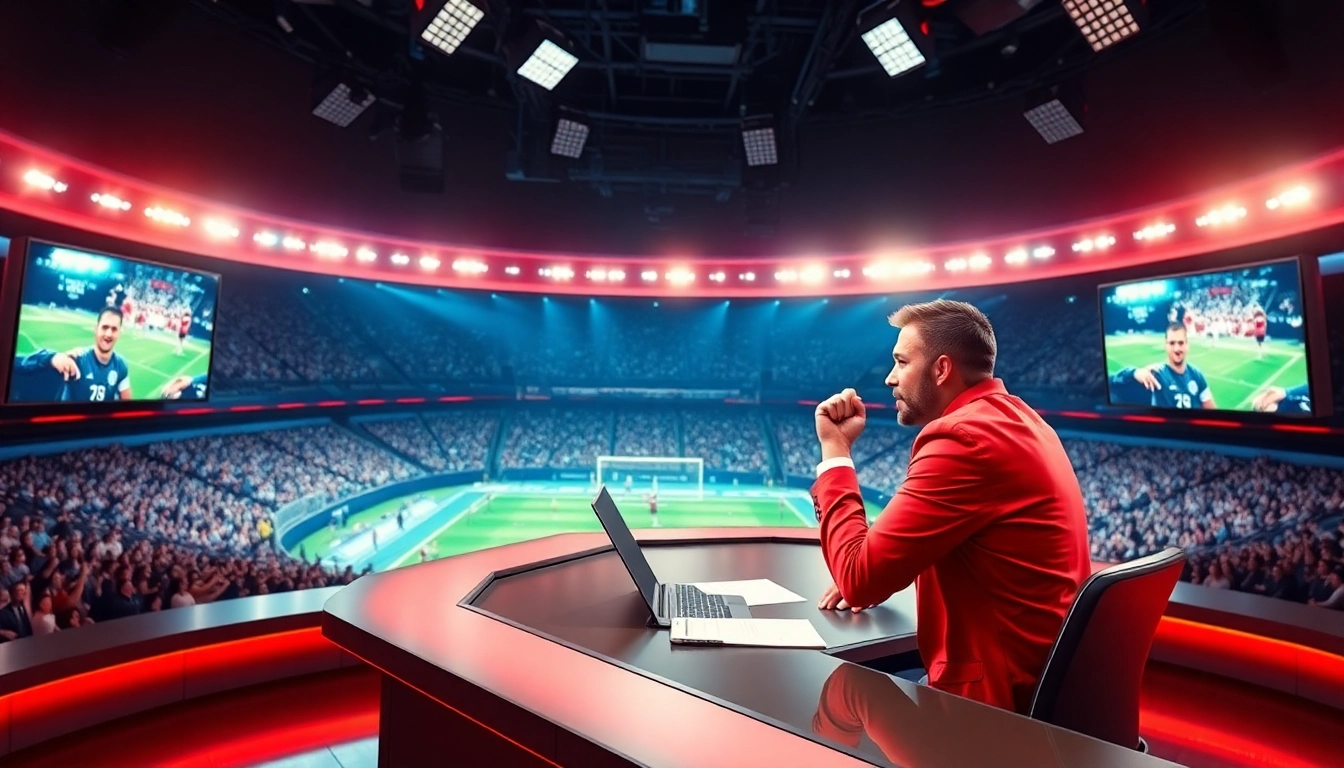
Understanding Sports Broadcasting Essentials
Definition and Importance of Sports Broadcasting
Sports broadcasting refers to the transmission of live sports events, commentary, and analysis through various platforms, including television, radio, and digital media. It plays a crucial role in connecting fans with their favorite teams and athletes, enhancing the experience of sports consumption. With Sports Broadcasting, audiences gain access to in-depth analysis, expert opinions, and unparalleled coverage of live sports, fostering a vibrant community of fans and enhancing loyalty to leagues and teams.
Evolving Technologies in Sports Broadcasting
Technological advancements have revolutionized the landscape of sports broadcasting. From high-definition broadcasts offering crystal-clear imaging to streaming services allowing viewers to watch games on-demand, technology has significantly changed how sports content is consumed. Innovations like 4K resolution, augmented reality graphics during broadcasts, and interactive features such as real-time stats have raised audience engagement to unprecedented levels. These tools not only captivate viewers but also provide broadcasters with vast amounts of data to enhance viewer experiences.
Key Roles in the Industry
The sports broadcasting industry offers various roles that come together to deliver a seamless viewing experience. Key roles include:
- Sports Commentators: Provide live commentary and emotional storytelling that enhances the viewing experience.
- Producers: Oversee the production of broadcasts, managing the flow of content and coordinating between different team members.
- Technical Directors: Ensure the technical aspects of the broadcast run smoothly, from audio to video feeds and graphics.
- Sports Analysts: Break down game strategies, provide insights and statistics, fostering deeper audience understanding.
Types of Sports Broadcasting
Live Sports Coverage Explained
Live sports coverage is the essence of sports broadcasting, delivering real-time action from arenas and stadiums to viewers around the globe. This type of broadcasting is complemented by pre-game and post-game shows that offer insights into team preparations, game strategies, and player performances. The ability to showcase the excitement of live events fosters a deeper emotional connection between fans and their teams. Innovations such as multiple camera angles, instant replay, and interactive features further enhance the vibrancy of live sports coverage.
Analysis and Commentary in Sports Broadcasting
Analysis and commentary are critical components of sports broadcasting, turning raw game footage into engaging narratives that educate and entertain. Commentators and analysts work in tandem during live broadcasts, providing viewers with in-depth analysis of plays, strategies, and player performances. This segment often includes discussions on statistics, player history, and competitive analysis, giving audiences critical context that enriches their viewing experience. The combination of expert insight and engaging commentary helps maintain viewer interest, especially during less action-packed moments.
Digital Platforms Impacting Sports Broadcasting
The rise of digital platforms has transformed sports broadcasting, offering new avenues for content delivery and audience engagement. Platforms like streaming services, social media, and mobile applications allow broadcasters to reach wider audiences and cater to diverse viewing habits. Fans can now stream games live from anywhere, engage with content creators on social media, and participate in discussions on forums dedicated to their favorite sports. These platforms have also enabled broadcasters to collect valuable data regarding viewer preferences and behaviors, driving the evolution of content strategies.
Challenges Faced in Sports Broadcasting
Technical Difficulties in Live Broadcasts
Live broadcasts are susceptible to various technical challenges, including signal disruptions, equipment malfunctions, and latency issues. These challenges can impact the overall quality of the viewing experience and frustrate audiences. Broadcast teams strive to mitigate these risks through rigorous pre-broadcast checks, the use of backup systems, and real-time troubleshooting strategies during live events. Additionally, investing in technology that enhances reliability can contribute to a smoother broadcast experience.
Navigating Legal Issues and Rights Deals
The negotiation and management of broadcasting rights represent significant hurdles in the industry. Securing broadcasting rights involves complex contracts and negotiations between sports leagues, teams, and networks. Broadcasters must navigate a landscape punctuated by legal considerations, ensuring compliance with laws regarding content distribution, intellectual property, and player likeness. Establishing transparent relationships between all stakeholders is pivotal for successful negotiations and minimized legal challenges.
Engaging Diverse Audiences
As viewers' demographics continue to evolve, engaging diverse audiences has become a critical focus for sports broadcasters. Strategies aimed at reaching various groups must consider cultural backgrounds, viewing preferences, and platforms preferred by different audience segments. Tailoring content to meet these diverse needs encompasses localized broadcasts, multilingual commentary, and engaging narrative styles that resonate with specific demographics. Understanding and addressing the unique preferences of each audience segment can significantly increase viewership and audience loyalty.
Best Practices in Sports Broadcasting
Enhancing Viewer Engagement
Enhancing viewer engagement requires a multifaceted approach, combining interactive elements, compelling storytelling, and audience participation strategies. Utilizing social media to create dialogue around broadcasts encourages active viewer involvement and fosters a sense of community among fans. Incorporating polls, quizzes, and gamification elements into broadcasts also promotes viewer interactivity. Ensuring that broadcasts address viewer preferences and employ various engagement techniques can lead to increased loyalty and retention rates.
Utilizing Data for Broadcast Improvement
Data analytics plays a transformative role in refining sports broadcasting strategies. By analyzing viewer engagement metrics, broadcasters can fine-tune their content to match audience expectations. Understanding peak viewing times, popular segments, and viewer drop-off points enables teams to adapt broadcasts dynamically. Utilizing sophisticated analytics tools allows broadcasters to gauge audience satisfaction, empowering them to craft increasingly appealing and relevant content over time.
Training and Development for Broadcasters
Investing in the training and development of broadcasting personnel is essential for maintaining high standards in sports broadcasting. Continuous education in evolving technologies, storytelling techniques, and audience engagement tactics can enhance the effectiveness of broadcasters. Workshops, mentorship programs, and industry conferences serve as valuable platforms for knowledge exchange, fostering an environment where best practices thrive. Development initiatives create a culture of excellence, leading to improved performances on-air and greater audience satisfaction.
Future Trends in Sports Broadcasting
Impact of Streaming Services on Sports Broadcasting
As streaming services gain foothold and redefine content consumption, their impact on sports broadcasting is profound. Traditional broadcasting models are being challenged by the emergence of subscription-based streaming platforms that offer exclusive sports content. This shift may lead to increased competition among broadcasters to provide unique offerings and collaborate with streaming operators. The ability to personalize content delivery further enhances viewer experiences, and adapting to this evolution ensures relevance in a rapidly changing marketplace.
AI and VR Technologies in Sports Experiences
Artificial Intelligence (AI) and Virtual Reality (VR) technologies are set to transform sports broadcasting significantly. AI-driven data analytics can enhance commentary through timely insights and context, making broadcasts more intelligent and responsive to viewer needs. Meanwhile, VR technologies create immersive experiences that allow fans to feel as if they are part of the game. Innovations in these areas not only enrich the viewer experience but also provide broadcasters with new avenues for engagement, setting the stage for future advancements.
Shifts in Viewer Preferences and Consumption Habits
The sports broadcasting landscape is continuously shaped by shifting viewer preferences and consumption habits. Younger audiences gravitate toward on-demand content, favoring the flexibility of consuming sports at their convenience. As a result, broadcasters must adapt their strategies to cater to these preferences, emphasizing mobile-friendly platforms, customized content delivery, and interactive features that encourage viewer participation. Staying attuned to these trends enables broadcasters to remain relevant and capture the attention of a broader audience.
FAQs
What is sports broadcasting?
Sports broadcasting is the coverage of live sports events via television, radio, or online platforms, providing commentary and analysis.
How has technology changed sports broadcasting?
Technology has transformed sports broadcasting through high-definition formats, streaming services, and advanced data analytics for viewer engagement.
What are the key roles in sports broadcasting?
Key roles include sports commentators, producers, technical directors, and sports analysts, each contributing to a seamless viewing experience.
What challenges do sports broadcasters face?
Challenges include ensuring technical reliability, managing rights-related legalities, and adapting to evolving viewer preferences and platforms.
How can sports broadcasters improve engagement?
Improving engagement can be achieved through interactive content, utilizing social media, and leveraging data to tailor broadcasts to audience preferences.